Visit the Dallas Museum of Art: A Cultural Haven in the Heart of Texas
The Dallas Museum of Art stands as a significant cultural institution in Texas. It contains a comprehensive collection that covers 5,000 years, featuring varied artistic traditions. Patrons can experience multiple exhibitions that address important social themes. With its dedication to accessibility and education, the museum presents a selection of programs for all ages. Still, what actually sets the DMA apart? Discovering its distinctive offerings may uncover a deeper connection to contemporary issues and artistic expression.
Highlights of the DMA's Diverse Collections
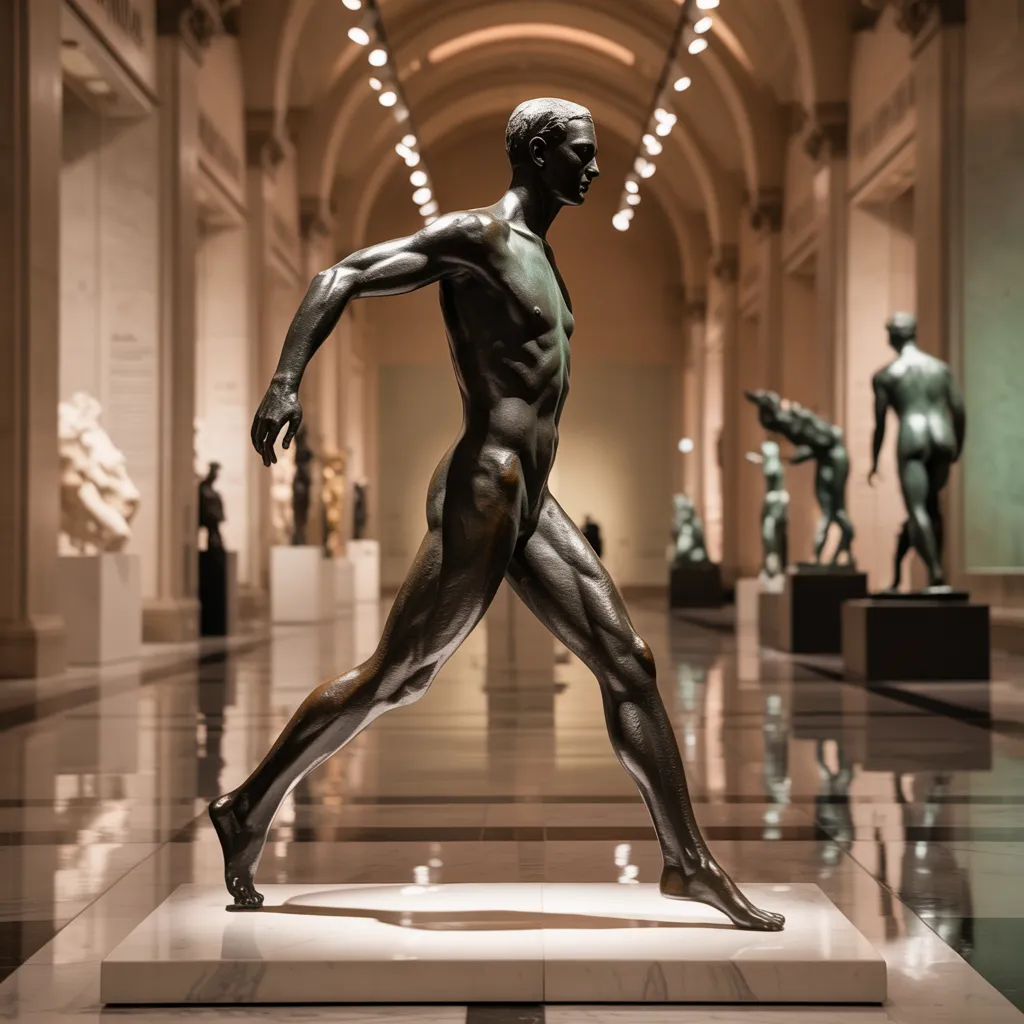
The Dallas Museum of Art (DMA) boasts an impressive array of collections that reflect a wide range of artistic traditions and historical contexts. Spanning over 5,000 years of creativity, the museum houses more than 24,000 works from varied cultures and periods. The European painting and sculpture section stands among its prominent collections, showcasing masterpieces from the Renaissance to the modern era. The American art collection highlights major movements, including Impressionism and Abstract Expressionism. Additionally, the museum houses an extensive selection of African, Asian, and Indigenous artworks, highlighting global artistic contributions. The Dallas Museum of Art (DMA) also includes decorative arts and design, presenting insights into craftsmanship and aesthetics. This varied collection not only enhances the cultural landscape of Dallas but also serves as an educational resource, welcoming visitors to explore the interconnectedness of art across different times and places. Each piece conveys a story, reflecting the artistic heritage of humanity.
Top Exhibits at the DMA
Art lovers will encounter an collection of must-see exhibitions at the Dallas Museum of Art (DMA) that inspire and captivate. The museum continually presents a dynamic array of temporary exhibitions along with its permanent collections. One outstanding exhibition highlights contemporary artists who are transforming cultural narratives through groundbreaking mediums. Another showcases classic masterpieces from celebrated painters, giving visitors to trace the evolution of artistic techniques over centuries.
In addition, thematic exhibitions investigate important social issues, encouraging dialogue and reflection among attendees. The DMA also offers exhibitions that emphasize specific art movements, delivering context and depth to the observer's understanding. Each exhibition is meticulously curated, making certain that the art resonates with a diverse audience. With rotating displays throughout the year, the museum offers a fresh experience for returning visitors, making it an essential destination for art aficionados seeking new perspectives within a vibrant cultural landscape.
View Educational Programs and Events
During their exploration of the diverse displays, visitors to the Dallas Museum of Art can also interact with a selection of educational programs and events developed to strengthen their understanding of art and culture. The museum delivers guided tours, workshops, and lectures that are tailored to different age groups and interests, fostering a deeper appreciation of artistic expression.
Family-based programs foster hands-on creativity, enabling children to develop their artistic skills through interactive activities. Adults can take advantage of in-depth discussions and seminars conducted by art experts, delivering insights into specific artworks or movements.
Furthermore, the museum consistently hosts special events, such as artist talks and panel discussions, which encourage dialogue between creators and the community. These educational initiatives not only elevate the visitor experience but also promote lifelong learning and engagement with the arts. Through these offerings, the Dallas Museum of Art strengthens its role as a crucial cultural institution in the region.
Visitor Details: Hours of Operation and Entry
For guests preparing to visit, the Dallas Museum of Art offers flexible hours and admission options that cater to a broad audience. The museum is accessible to the public from Tuesday to Sunday, with hours extending from 11 a.m. to 5 p.m. on most days, and evening hours until 9 p.m. on Thursdays. This schedule allows ample opportunities for visitors to explore the impressive collections and exhibitions.
Admission to the museum is free, making it accessible for everyone. However, special exhibitions may require a ticket purchase. It is recommended that guests consult the museum's official website for operating hours and any adjustments, and also information regarding future exhibitions that might require extra charges. The Dallas Museum of Art guarantees that all visitors can benefit from a rich cultural experience in a friendly atmosphere without significant financial barriers.
Advice for Making the Most of Your Visit
To improve the experience at the Dallas Museum of Art, it is important to plan an itinerary that reflects personal interests. Engaging with docents can deliver valuable insights and deepen understanding of the exhibits. These strategies can help visitors maximize their time at the museum.
Plan Your Itinerary
How can visitors ensure a fulfilling experience at the Dallas Museum of Art? Preparing an agenda is important. Initially, guests ought to examine the museum's digital calendar for featured exhibits and events. Prioritizing must-see artworks and galleries helps manage time effectively, as the museum features over 24,000 pieces. Patrons are advised to dedicate at least two to three hours for a complete exploration. Furthermore, guests might think about arriving on weekdays to bypass large groups. Comfortable walking shoes and a light snack can enhance the visit, as touring the vast areas can be fatiguing. In conclusion, acquiring the museum's mobile app delivers helpful information, including maps and audio guides, making certain that visitors fully capitalize on their art experience.
Engage With Docents
What strategies can visitors employ to maximize their interactions with docents at the Dallas Museum of Art? Connecting with docents can greatly improve the overall museum experience. Visitors are encouraged to take part in scheduled tours, which present structured learning experiences about the displays. Presenting open-ended inquiries cultivates more meaningful dialogue and inspires docents to offer their insights. Leveraging the museum's digital resources or printed materials ahead of time can enable visitors to prepare relevant questions aligned with their preferences. Beyond this, conveying recognition for the docents' expertise can generate a welcoming interaction. In conclusion, attendees should confidently reach out to docents during calm intervals, as they could be more prepared to share customized perspectives. These methods can produce a more thorough appreciation of the art and its historical setting.
Attractions Nearby in the Arts District
While the Dallas Museum of Art stands as a distinguished cultural hub, the adjacent Arts District provides a range of additional attractions that enhance the experience for visitors. Just a short stroll away, the Nasher Sculpture Center impresses with its impressive collection of modern and contemporary sculptures placed in a beautifully landscaped garden. The Crow Museum of Asian Art additionally enhances the cultural landscape, featuring Asian art and artifacts that inspire exploration and reflection.
For visitors keen on performing arts, the AT&T Performing Arts Center presents numerous concerts, theater productions, and dance performances throughout the year. Additionally, the iconic Klyde Warren Park presents a vibrant green space for outdoor activities and relaxation, often hosting food trucks and cultural events. Combined, these attractions establish a dynamic atmosphere that complements the artistic offerings of the Dallas Museum of Art, making the Arts District a essential destination.
The History of the Dallas Museum of Art: An Overview
The Dallas Museum of Art (DMA) features an impressive history that demonstrates the city's expansion and devotion to the arts. Created in 1903, the museum originated as a small art collection contained in-depth guide within a library. By 1936, it had created its own exclusive facility, displaying a varied collection of artworks. Through the years, the DMA enlarged its collections and venues, evolving into a distinguished cultural institution.
In 1984, the museum relocated to its current location in the Arts District, a remarkable architectural landmark designed by the renowned firm of Architect's Studio. The DMA has continued to evolve, embracing modern initiatives like community engagement and educational programs. Its vast collection now contains over 24,000 works, spanning multiple cultures and time periods. Currently, the Dallas Museum of Art stands as a testament to the city's dynamic artistic heritage and a beacon for art lovers worldwide.
Frequently Asked Questions
Are Photographs Permitted Inside the Dallas Museum of Art?
Taking photographs is typically allowed inside the Dallas Museum of Art, while restrictions may be in place for particular exhibitions or artworks. Visitors should always review signage and guidelines to confirm compliance with the museum's policies.
Can You Find Dining Options Inside the Museum?
Yes, the Dallas Museum of Art offers several dining options, including a café and full-service restaurant. Guests may savor diverse meals and snacks, ensuring a pleasant and convenient dining experience throughout their stay.
Are There Guided Tours at the DMA?
Guided tours are available at the Dallas Museum of Art. Visitors gain insights into the exhibits through these tours, which enhance their understanding of the art, creating a more enriching and enjoyable experience for all attendees.
Are Membership Packages Offered for Regular Guests?
Indeed, the Dallas Museum of Art offers diverse membership options for regular visitors. These memberships provide benefits such as no-cost admission, exclusive events, and discounts at the museum shop, catering to various interests and engagement levels.
Can I Carry My Backpack or Large Bags Into the Museum?
Large bags and backpacks are normally not permitted in the museum. Guests may need to check these items at specified locations, securing a secure and unhindered experience for all visitors within the museum galleries.